

What’s Really in Your Food? The Ingredient No One Talks About
SUBSCRIBE TO OUR BLOG
Promotions, new products, and recipes.
Ever grab a snack and then stare at the ingredient list, wondering what half those words mean? Yeah, me too. It's like a secret code manufacturers use. We see 'natural flavors' or 'spices' and just shrug. But what if there's something specific we should really be looking out for? Today, we're peeling back the label to talk about what's really in our food, and why knowing the difference between a whole food and a science experiment matters. We'll even get into things like xanthan gum, which sounds weird but is actually pretty common.
Key Takeaways
-
Always check the ingredient list, not just the front of the package. Ingredients are listed by weight, so the first few are the main ones.
-
Fewer ingredients usually means a less processed food. Aim for products with simple, recognizable ingredients.
-
Many common food additives have chemical names. If you don't recognize it or it doesn't occur in nature, it's worth questioning.
-
Be aware of hidden sugars and fats, which often go by different names on the ingredient list.
-
Understanding ingredients like xanthan gum helps you make better choices about what you're eating, balancing health and convenience.
Decoding the Ingredient List
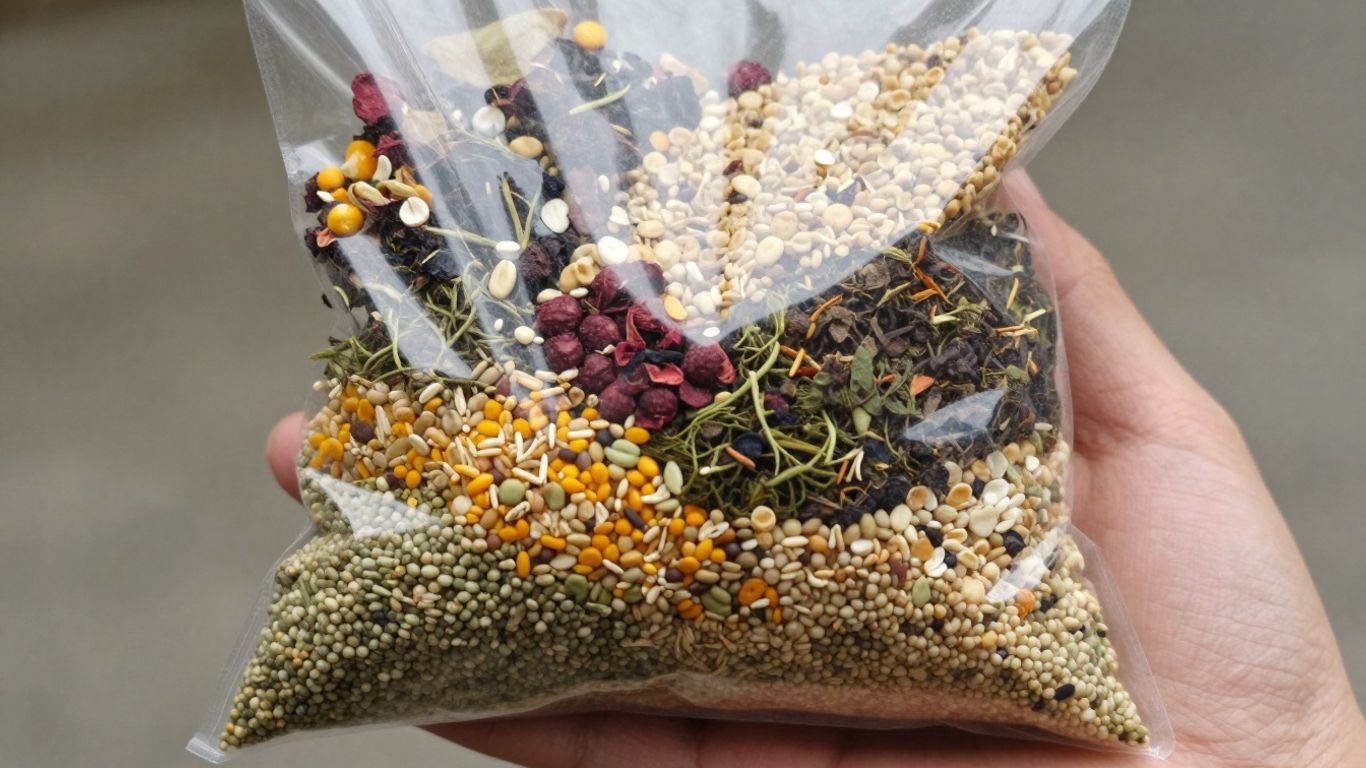
Grocery shopping can feel like a puzzle sometimes, right? You grab a product, maybe it looks healthy or has a catchy phrase on the front, but then you flip it over. Suddenly, you're staring at a list of words that look more like a science experiment than food. It's easy to just skip over it, but understanding what's actually in your food is the first step to making better choices.
The Importance of Reading Labels
It’s really easy to get swayed by marketing. "All-natural," "low-fat," "healthy choice" – these terms can make us think we're making a good pick. But the real story is always in the ingredient list. This is where manufacturers have to tell you exactly what they've put in the product. Ignoring it means you might be missing important details about what you're actually consuming. It's like buying a car without looking under the hood; you might get lucky, but you might also end up with a lemon. Paying attention to the ingredient list is your way of doing a quick check before you buy. For more on how to make sure your product labels are clear and compliant, check out this guide on creating effective food labels.
Ingredients Listed By Weight
Ever wonder why some ingredients are at the top of the list and others are way down at the bottom? There's a method to the madness. Ingredients are always listed in order of weight, from most to least. This is super helpful information. If sugar or a type of fat is one of the first few things listed, you know it's a major component of that food. Conversely, if something like a specific vitamin or a spice is listed last, it's present in a very small amount. It's a simple rule, but it tells you a lot about the food's makeup.
Here’s a quick breakdown:
-
Top Ingredients: These make up the bulk of the product. Look for recognizable, whole foods here.
-
Middle Ingredients: These are present in moderate amounts. Keep an eye out for additives or less desirable components.
-
Bottom Ingredients: These are present in the smallest quantities. While often less impactful, they can still add up.
Fewer Ingredients, Better Choice
As a general rule of thumb, the fewer ingredients a product has, the better. Think about it: if you're making a simple meal at home, you probably use just a handful of items. When a packaged food has a list that stretches on forever, filled with chemical-sounding names, it's usually a sign that it's heavily processed. Products with short, simple ingredient lists are often closer to their natural state and contain fewer artificial additives. It's not a perfect rule, but it's a really good starting point for choosing healthier options. If you wouldn't use it in your own kitchen, it's worth questioning why it's in your food.
Understanding Common Food Additives
What Are Food Additives For?
So, you're staring at a food label, and there's a whole list of ingredients that look like they belong in a science lab, not your kitchen. What's the deal with all these food additives? Well, companies don't just toss them in there for fun. They actually serve specific jobs. Think of them as the behind-the-scenes crew that keeps your food looking, tasting, and lasting the way it does. They can help keep food fresh longer, make sure it has the right texture, or even boost its nutritional value. For instance, some additives are added to fortify foods with vitamins and minerals we might not get enough of otherwise, like iodine in salt to prevent goiter or niacin in bread.
Recognizing Chemical Names
It's easy to get spooked by a long, complicated chemical name on an ingredient list. You see something like 'ascorbic acid' and think, 'Uh oh, what is that?' But here's a little secret: ascorbic acid is just vitamin C. And sodium chloride? That's plain old table salt. Even natural things have scientific names. The key isn't to avoid anything you can't pronounce, but to understand what it is and why it's there. Sometimes, a chemical-sounding name is just a fancy way of saying something familiar and even beneficial.
-
Ascorbic Acid = Vitamin C
-
Sodium Chloride = Table Salt
-
Cyanocobalamin = Vitamin B12
-
Malus Domestica = Apple
The Role of Preservatives
Preservatives are a big group of additives, and their main job is to stop food from going bad too quickly. This means longer shelf lives for products, which is good for both manufacturers and consumers. They work by slowing down or preventing the growth of mold, bacteria, and yeast. However, some preservatives are more processed than others, and it's worth knowing which ones are commonly used and what they do.
Here are a few you might see:
-
Calcium Propionate: Often found in bread and baked goods. It helps prevent mold growth.
-
Sodium Benzoate: You'll find this in things like soft drinks and salad dressings. It's effective at stopping the growth of bacteria and yeast.
-
Potassium Sorbate: Used in things like baked goods and cheeses to inhibit mold and yeast.
While preservatives help keep food safe and extend its usability, it's good to be aware of them. Some people might be sensitive to certain preservatives, and their presence can sometimes indicate a more processed food product. It's not always about avoiding them entirely, but about making a conscious choice based on what you know.
It's not always about avoiding ingredients with scientific-sounding names. Many are perfectly safe and serve important functions. The trick is to become a bit of a food detective and figure out what's what.
The Truth About Processed Foods
Okay, so we've talked about reading labels and understanding what's in our food. Now, let's get real about processed foods. You know, the stuff that comes in a box or a bag and often sits on the shelves for ages. It's easy to grab these things when you're in a hurry, but have you ever stopped to think about what's really going on inside them?
When 'Natural' Isn't So Natural
That word, 'natural,' can be a bit of a minefield. Sometimes, a product might be labeled 'natural' or even 'made with organic ingredients,' but that doesn't always mean it's as pure as you'd think. For instance, a 'made with organic' label means at least 70% of the ingredients are organic, but that other 30%? It's fair game for whatever else the manufacturer wants to add. It pays to check the ingredient list closely to see what's actually in that remaining percentage. It’s a good idea to aim for foods that are 100% organic when you can, especially for things like berries or tomatoes.
The Hidden Ingredients in 'Diet' Foods
Diet foods are supposed to be the healthier option, right? Well, not always. Often, to cut down on calories or fat, manufacturers add a whole bunch of other stuff. Think long lists of chemicals that sound like they belong in a lab, not your kitchen. These ingredients might make the food taste a certain way or have a specific texture, but they're often far from whole foods. It's a good reminder that low-calorie doesn't automatically mean healthy. Sometimes, those 'diet' versions have more artificial stuff than the original. It makes you wonder what else is being added without us knowing, like the over 100 chemicals with unknown safety profiles that were secretly incorporated into foods.
Why Whole Foods Are Key
So, what's the alternative? Whole foods. These are foods that are as close to their natural state as possible, with minimal processing. Think fruits, vegetables, plain grains, and unprocessed meats. The fewer steps a food has gone through from its original form to your plate, the better. It's like a game of telephone; the more people who pass on the message, the more it can change. The same goes for food. The less it's altered, the more likely it is to be what you expect.
Here’s a quick rundown on what to look for:
-
Read the ingredient list: Always flip the package over. Don't just trust the front label.
-
Order matters: Ingredients are listed by weight. If sugar or salt is near the top, it's a major component.
-
Fewer is better: Aim for products with a short ingredient list, ideally five ingredients or less.
-
Know your ingredients: If you don't recognize a name or it doesn't sound like something found in nature, it's probably best to skip it.
The goal isn't to be perfect, but to be more aware. When you start paying attention, you'll see how often things are added that we don't really need or want. Making small changes, like choosing a product with fewer ingredients, can add up over time.
It really comes down to being your own food detective. The more you look, the more you'll see, and the better choices you can make for yourself and your family.
Navigating Unfamiliar Ingredients
Sometimes, looking at a food's ingredient list can feel like you're trying to read a foreign language. You see words that look like they belong in a science lab, not your kitchen. It's easy to just put the item back on the shelf or, worse, ignore it altogether. But here's the thing: just because an ingredient has a long, complicated name doesn't automatically make it bad. Many of these are simply the scientific way of naming common things, or they serve a specific purpose in the food.
When to Question an Ingredient
It's smart to be curious about what's in your food. If you see something you don't recognize, it's okay to wonder why it's there. Think about it this way: if you were cooking at home, would you reach for that ingredient? If the answer is no, it's a good reason to pause and investigate further. This doesn't mean every unfamiliar item is harmful, but it's a signal to pay closer attention.
The Function of Ingredients
Most ingredients aren't just thrown in for fun. They usually have a job to do. Some help keep food fresh longer, others improve its texture or taste, and some even add nutrients that might be missing. For example, ascorbic acid is just vitamin C, and sodium chloride is plain old salt. These additives can help maintain quality, prevent spoilage, or even add nutritional value, like when niacin is added to bread to prevent deficiencies.
Here's a look at some common functions:
-
Preservation: Ingredients like calcium propionate or sodium benzoate help stop mold and bacteria from growing, making food last longer.
-
Texture: Things like xanthan gum (which we'll talk more about later) can thicken sauces or give baked goods a smoother feel.
-
Nutrient Addition: Vitamins and minerals are often added to fortify foods, helping to prevent common health issues.
-
Acidity Control: Ingredients like lactic acid help manage the pH level, which can prevent spoilage and affect taste.
Proprietary Information and Spices
Sometimes, you'll see terms like "natural flavors" or "spices" on a label. What exactly does that mean? Often, companies consider their specific blend of spices or flavorings to be their own secret recipe, or proprietary information. They aren't required to list every single component. While this can be frustrating when you're trying to be thorough, it doesn't necessarily mean something is hidden. However, it does mean you have less information to go on, which is another reason to favor foods with simpler ingredient lists where you know exactly what you're getting.
When you encounter an ingredient you don't recognize, take a moment to consider its potential role. Is it there to make the food last longer, improve its texture, or add something beneficial? If the list is full of items you can't identify and wouldn't use in your own cooking, it might be a sign that the food is highly processed.
Spotting Hidden Sugars and Fats
Okay, so you're looking at the ingredient list, and it seems pretty straightforward. But then you see it – a bunch of stuff that sounds like it belongs in a science lab, not your kitchen. And often, these are the culprits behind those extra calories and less-than-ideal health impacts. Let's talk about how sugar and fats can sneak into your food, even when you're trying to make good choices.
Common Names for Sugar
Sugar is a master of disguise. It doesn't always show up as 'sugar.' Manufacturers use a whole vocabulary to sweeten things up, and it's good to know the lingo. The first few ingredients on the list usually tell you the most about what's really in your food. If you see a lot of these terms near the top, it's likely a sweet product, even if 'sugar' itself isn't listed.
Here are some common sugar aliases to watch out for:
-
Corn syrup (including high-fructose corn syrup)
-
Cane juice (or evaporated cane juice)
-
Fructose (or crystalline fructose)
-
Glucose
-
Maltose
-
Dextrose
-
Syrups (like maple syrup, agave nectar, brown rice syrup)
-
Fruit juice concentrate
-
Anything ending in '-ose' (like sucrose, lactose, maltose)
Identifying Hidden Saturated Fats
Fats are necessary, but the type and amount matter. Saturated fats, often found in processed foods, can be listed under names that don't immediately scream 'fat.' They're often used to improve texture and shelf life.
Keep an eye out for these when you're scanning labels:
-
Butter
-
Coconut oil or palm oil
-
Lard
-
Shortening
-
Hydrogenated oils (this can also indicate trans fats)
-
Cocoa butter
Understanding Trans Fats
Trans fats are particularly tricky. They're often created when liquid oils are turned into solid fats through a process called hydrogenation. Even if a product says '0g trans fat' on the nutrition label, it can still contain them if 'partially hydrogenated oil' is listed in the ingredients. This is because the FDA allows products with less than 0.5 grams per serving to be rounded down. Always check the ingredient list for partially hydrogenated oils.
The presence of partially hydrogenated oils is a major red flag. While they might make food taste good and last longer on the shelf, they are linked to negative health outcomes and are best avoided entirely. If you see this phrase, it's usually a good idea to put the product back.
The Science Behind Xanthan Gum

Ever look at an ingredient list and see "xanthan gum" and wonder what on earth that is? You're not alone. It sounds pretty technical, right? But honestly, it's one of those ingredients that's pretty common and serves a specific purpose in a lot of the foods we eat. It's a polysaccharide, which is just a fancy word for a long chain of sugar molecules, and it's made by a specific type of bacteria, Xanthomonas campestris. Think of it as a natural thickener and stabilizer.
What is Xanthan Gum?
Xanthan gum is basically a food additive that's produced through a fermentation process. The bacteria are fed a sugar source, and they produce this gum as a byproduct. It's then harvested and processed into the powder you see in ingredient lists. It's incredibly effective at thickening liquids and preventing ingredients from separating. This means it can make salad dressings less oily, ice cream smoother, and even help gluten-free baked goods hold together better.
Where You'll Find Xanthan Gum
This stuff pops up in a surprising number of places. You'll see it in:
-
Sauces and dressings: It keeps them from separating into layers.
-
Baked goods: Especially gluten-free ones, it helps with texture and structure.
-
Dairy products: Like ice cream and yogurt, for a smoother feel.
-
Beverages: To give them a bit more body.
-
Personal care products: Believe it or not, it's also in toothpaste and lotions!
It's a pretty versatile ingredient, and its ability to work in both hot and cold conditions makes it a go-to for food manufacturers. You can find it in many products, and it's a key ingredient in some gluten-free baking mixes.
The Purpose of Xanthan Gum in Foods
So, why do companies use it? It boils down to texture and stability. Without xanthan gum, your creamy salad dressing might just be a watery mess with oil floating on top. Your gluten-free bread might crumble apart. It helps create that smooth, consistent texture we expect from many foods. It's not there to add flavor or nutritional value, but purely to improve the physical characteristics of the food product. It's a workhorse ingredient that helps make processed foods more appealing and easier to use.
Making Informed Food Choices
So, we've talked about what's in our food, from the obvious to the sneaky stuff. Now what? It's time to put that knowledge to work. Think of yourself as a food detective. You have the power to choose what goes into your body, and it starts with a little bit of effort.
Becoming Your Own Food Investigator
This is where you take the reins. Don't just grab the first thing you see because the packaging looks nice or it's on sale. Flip that package over. Seriously, it only takes a second. Look at that ingredient list. If it reads like a science experiment, maybe put it back. The fewer ingredients, the better is a good rule of thumb. Aim for things you recognize, things that grow in nature. If you see a long string of letters you can't pronounce, it's probably not going to do your body any favors. It's about building a habit, like checking the weather before you leave the house. You wouldn't go out unprepared, right? Same idea with food.
Asking Questions of Manufacturers
Sometimes, even after reading the label, you're still left scratching your head. That's okay. Manufacturers are there to provide information, even if they don't always make it easy. Remember that tomato paste example? The company called their spice blend "proprietary information." That's a fancy way of saying they don't want you to know exactly what's in it. If you're curious about an ingredient, or why something is in a product, don't hesitate to reach out. Many companies have customer service lines or websites. You might be surprised by the answers you get, or sometimes, by the lack of them. This curiosity is key to understanding what you're really eating. It's about being an active participant in your diet, not just a passive consumer. You can find information on new front-of-package nutrition symbols that are being implemented to help with making more informed dietary choices.
Prioritizing Health Over Convenience
Let's be real, convenience is tempting. Grabbing a pre-made meal or a snack that's loaded with additives is easy. But is it worth it in the long run? Probably not. Making healthier choices often means a little more planning. It might mean spending a few extra minutes chopping vegetables or cooking from scratch. Think about it: what's the real cost of that convenience? It could be your energy levels, your long-term health, or how you feel day-to-day. Choosing whole foods, or products with simple ingredient lists, is an investment in yourself. It's about recognizing that what you eat directly impacts how you feel and function. So next time you're at the store, pause for a moment. Ask yourself if the convenience is worth the ingredients. Your body will thank you for it.
So, What's the Takeaway?
It's easy to get overwhelmed when you start looking at ingredient lists. So many words, so many things we don't recognize. But honestly, it's not about becoming a food scientist overnight. It's just about paying a little more attention. Next time you're at the store, try picking up a few things and just reading the back. See what jumps out at you. Maybe you'll find that your favorite snack has a surprisingly long list of ingredients, or maybe you'll discover a new brand with just a few simple things you recognize. The goal isn't perfection, it's just making slightly better choices, one grocery trip at a time. Your body will thank you for it.
Frequently Asked Questions
Why is it important to read the ingredient list on food packages?
Reading the ingredient list helps you understand what's actually in the food you're eating. Sometimes, the front of the package can be misleading. Knowing the ingredients helps you make healthier choices and avoid things you might not want in your body.
How are ingredients listed on a food label?
Ingredients are listed in order from the largest amount to the smallest amount by weight. So, the first few ingredients are the ones that make up most of the product. If you see sugar or salt listed very early, it means there's a lot of it in there!
Does a shorter ingredient list always mean healthier food?
Generally, yes! Foods with fewer ingredients are often less processed and closer to their natural state. If a list is super long and full of words you can't pronounce, it might be a sign that the food has many added substances.
What are food additives and why are they used?
Food additives are substances added to food for specific reasons, like keeping food fresh longer, improving its taste or texture, or making it look more appealing. While some additives help with nutrition, others can be less desirable.
Are ingredients with chemical-sounding names always bad?
Not necessarily. Many natural ingredients have scientific names. For example, Vitamin C is also called ascorbic acid. The key is to learn about common ingredients and to question those that seem unfamiliar or are used in very processed foods.
What's the best way to make healthier food choices?
Try to eat whole foods like fruits, vegetables, and lean proteins as much as possible, as they often have no ingredient list. When buying packaged foods, read the labels, choose items with simple ingredient lists, and be aware of hidden sugars and fats.

|
About the Author Ed is the founder of Cape Crystal Brands, editor of the Beginner’s Guide to Hydrocolloids, and a passionate advocate for making food science accessible to all. Discover premium ingredients, expert resources, and free formulation tools at capecrystalbrands.com/tools. — Ed |
How To Make Homemade Boba Pearls: A Beginner's Guide

Why Does Homemade Sorbet Become Icy? How to Create a Smoother Texture

Vegan Desserts: How to Create a Creamy Texture Without Dairy
Enjoyed this post? Subscribe to The Crystal Scoop
Food-science tips, ingredient know-how, and recipes. No spam—unsubscribe anytime.
- Choosing a selection results in a full page refresh.