
Trending searches
Trending searches
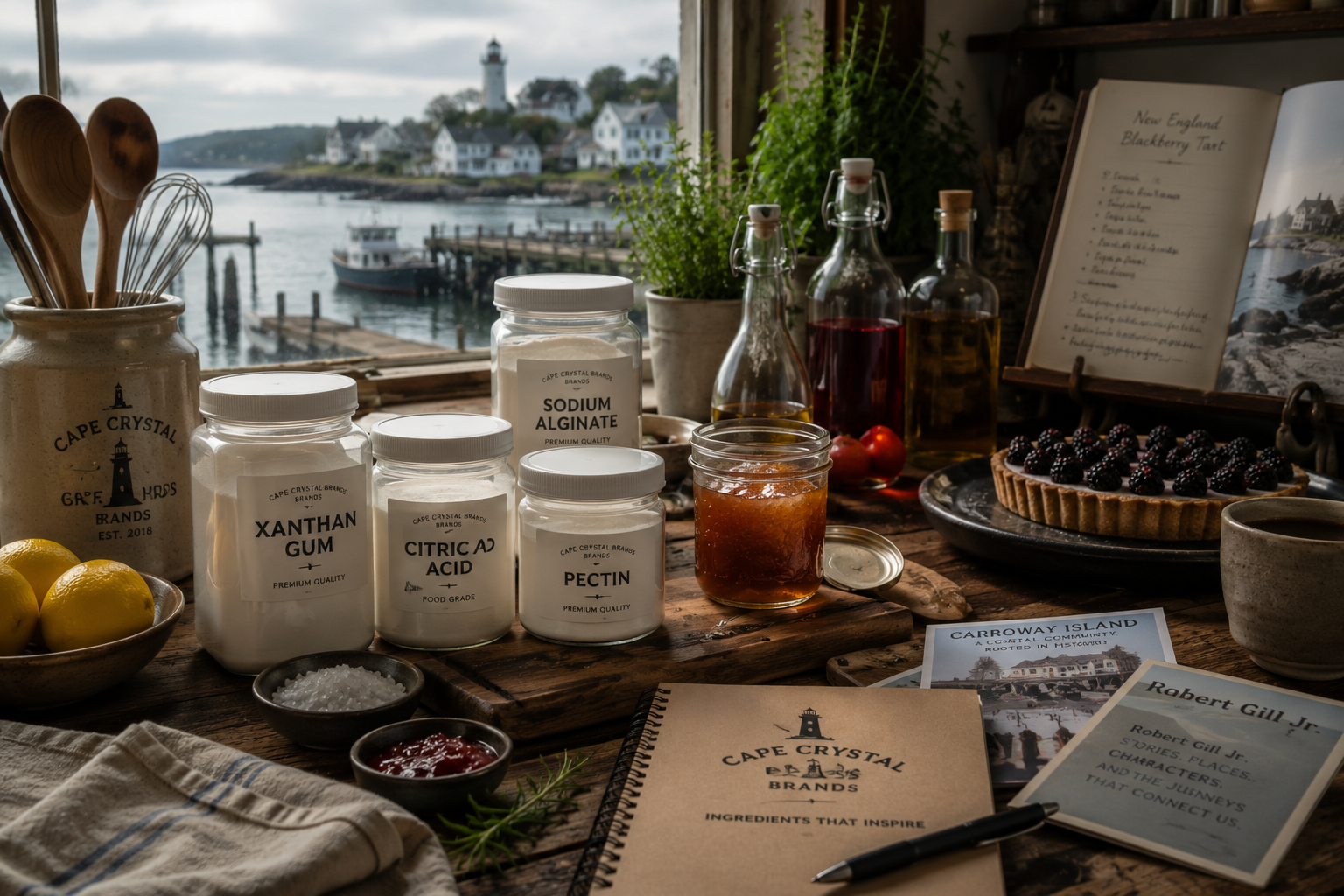
Why Storytelling Matters in Food, Flavor, and the Modern Pantry
SUBSCRIBE TO OUR BLOG
Promotions, new products, and recipes.
Food has always been more than nourishment. Long before modern branding and social media, people gathered around recipes, traditions, spices, and stories that connected meals to memory and identity.
Today, consumers are increasingly interested not only in what ingredients do, but in the stories behind them. Why does a sauce feel comforting? Why does a bakery smell transport us somewhere familiar? Why do certain flavors instantly create emotion?
At Cape Crystal Brands, we often discuss the science behind ingredients such as xanthan gum, sodium alginate, pectin, citric acid, and modern culinary techniques. But behind every recipe is also something less measurable: atmosphere, memory, and imagination.
Many chefs, food creators, and home cooks are not simply preparing meals. They are creating experiences.
A rustic loaf of bread, a carefully plated dessert, or a bowl of soup served on a rainy evening can evoke a sense of place just as strongly as a photograph or a novel. Texture, aroma, presentation, and tradition all contribute to storytelling through food.
That same fascination with atmosphere and storytelling inspired the fictional coastal world of Carroway Island, a place built around mood, memory, local personalities, weathered landscapes, and the feeling of discovering somewhere both unfamiliar and strangely remembered.
The creative themes explored there also connect with the literary projects found at Robert Gill Jr., where storytelling, setting, and emotional detail continue to play a central role.
Whether in the kitchen, the workshop, or on the written page, creativity often begins the same way:
with the desire to make people feel something real.

|
About the Author Ed is the founder of Cape Crystal Brands, editor of the Beginner’s Guide to Hydrocolloids, and a passionate advocate for making food science accessible to all. Discover premium ingredients, expert resources, and free formulation tools at capecrystalbrands.com/tools. — Ed |
Related Posts
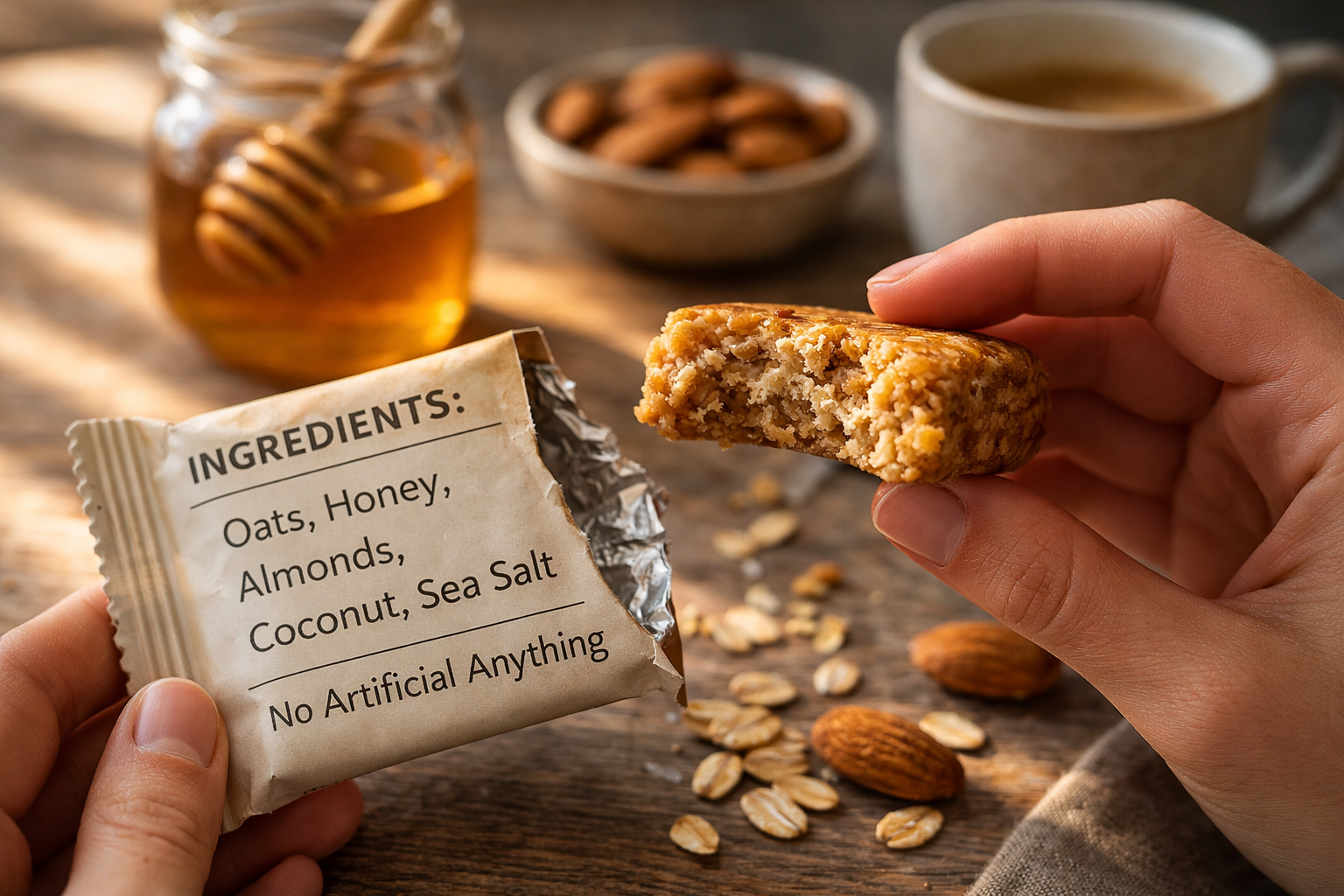
When Clean Labels Still Produce Unsettling Food
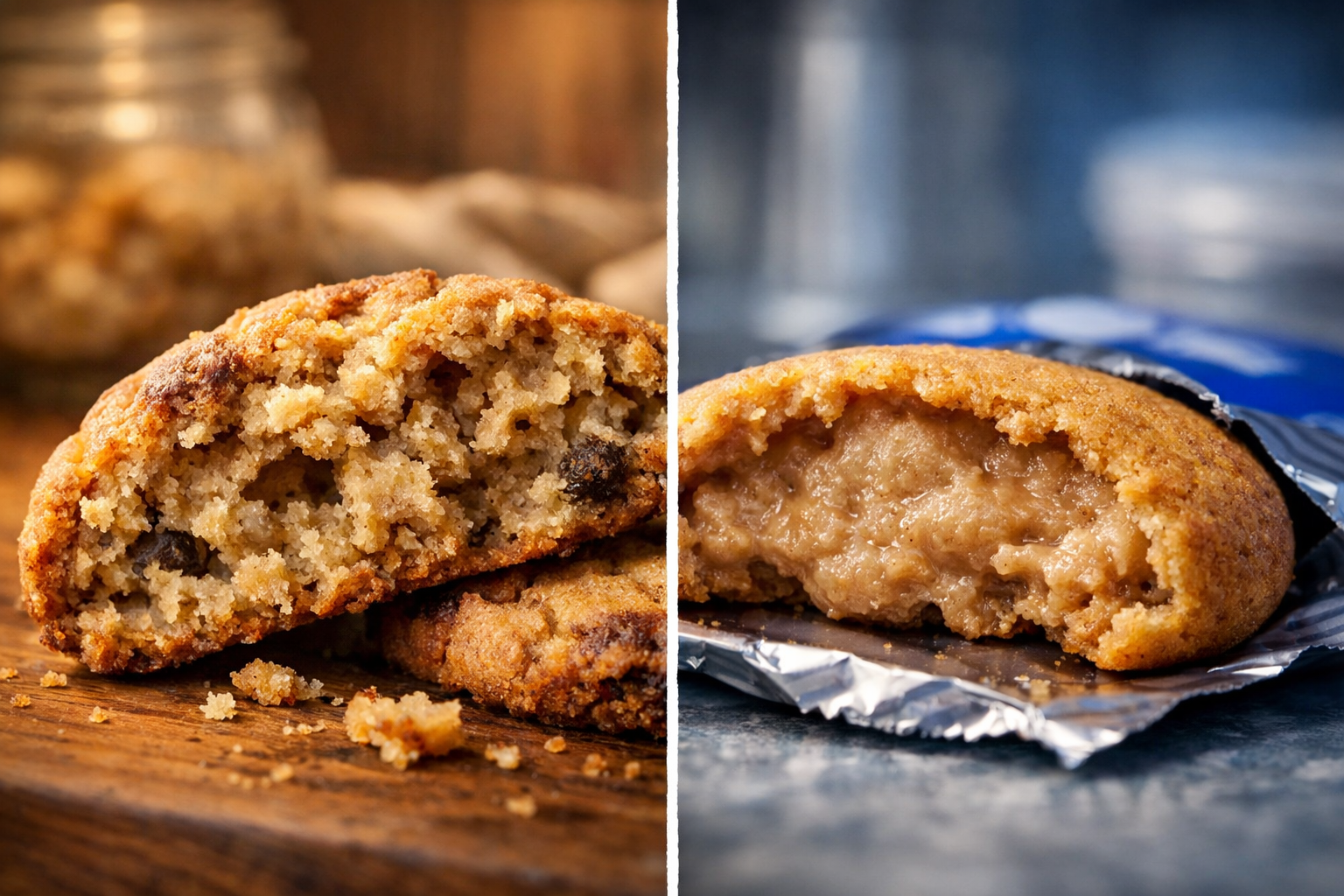
The Texture Gap: Why Homemade Food Feels Different Than Packaged Food

Hydrocolloids Explained: Food Gums, Gels and Texture
Enjoyed this post? Subscribe to The Crystal Scoop
Food-science tips, ingredient know-how, and recipes. No spam—unsubscribe anytime.
- Choosing a selection results in a full page refresh.
POLICY PAGES
QUICK LINKS
ABOUT US
Cape Crystal Brands,
- 18 Bank St., Suite 1, Summit NJ 07901.
- Phone: +1 908-273-5600
- Email: info@capecrystalbrands.com
- Tax ID: 26-2477626000
- FDA Facility # 16980627550
- Kosher Certified by: OKosher.org
Country/region
© 2026, Cape Crystal Brands | Sitemap