
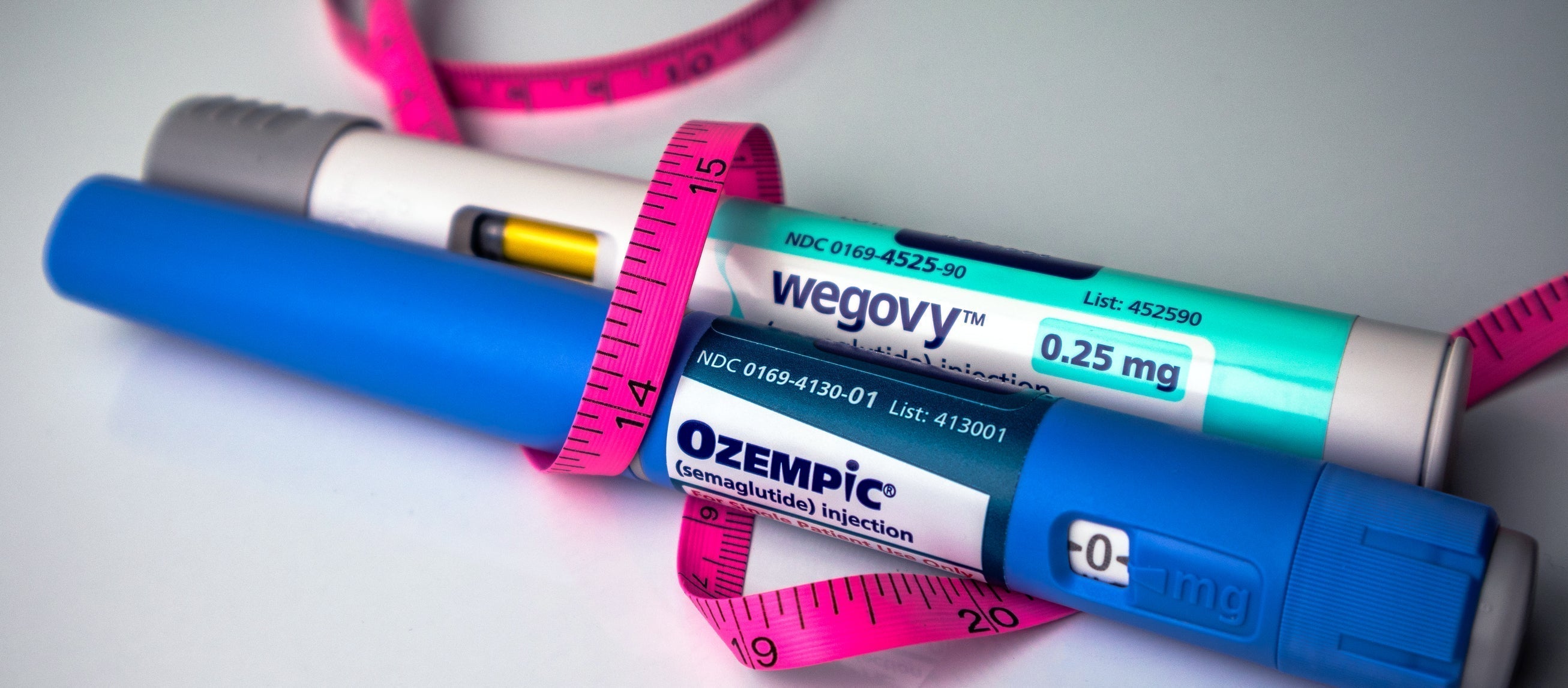
The rapid adoption of GLP-1 medications such as Ozempic, Wegovy, and Mounjaro is doing more than reshaping personal health decisions. It is quietly transforming how Americans consume food — and forcing one of the most significant reformulation waves the U.S. food industry has seen in decades.
An estimated 15–20 million Americans are already using GLP-1 medications. Analysts project that number could double within the decade.
The impact is simple:
Americans are eating less.
But expectations are not shrinking.
For food manufacturers, this creates a structural challenge. If consumers reduce intake by 20–30%, every bite must deliver more nutrition, more satisfaction, and more functional value than ever before.
This is not a diet trend.
It is a formulation shift.
The GLP-1 Economy: A Structural Change in Consumption
GLP-1 medications reduce appetite by slowing gastric emptying and increasing satiety signals. Consumers report:
-
Smaller portion sizes
-
Faster fullness
-
Reduced interest in heavy, greasy foods
-
Greater demand for protein and nutrient density
From a business perspective, this compresses volume. If calorie intake declines even 10–15% nationally, that represents tens of billions of dollars in potential revenue impact across snacks, beverages, bakery, and prepared meals.
But reduced intake does not mean reduced expectations.
In fact, expectations rise.
When consumers eat less, they demand that each bite:
-
Satisfy hunger
-
Deliver protein
-
Provide fiber
-
Maintain indulgent texture
-
Avoid heaviness
This is where texture science becomes central.
Satiety Is Not Just Calories, It Is Structure
Satiety is influenced by more than macronutrient count. It is driven by:
-
Viscosity
-
Gastric emptying rate
-
Protein structure
-
Fiber network formation
-
Sensory perception and mouthfeel
Viscosity alone can meaningfully influence perceived fullness. Higher-viscosity beverages and foods tend to slow gastric transit and enhance satiety signals compared to thin, low-structure alternatives.
In a GLP-1 environment, this matters more than ever.
Consumers may be eating less volume, but they still want meals to feel complete.
That feeling is structural.
Why Hydrocolloids and Functional Ingredients Are Moving to the Center
Modern formulation relies heavily on hydrocolloids and functional ingredients to build structure without adding excessive calories.
Ingredients such as:
-
Agar agar
-
Sunflower lecithin
-
Calcium salts
allow product developers to manipulate viscosity, suspension stability, gel formation, and emulsion integrity.
For example:
• In high-protein beverages, hydrocolloids prevent sedimentation and improve mouthfeel in smaller serving formats.
• In fiber-enriched snacks, structural gums maintain softness while controlling density.
• In reduced-sugar bakery, texture modifiers compensate for the structural loss normally provided by sucrose.
• In dairy alternatives, emulsifiers and gelling systems prevent separation while improving creaminess.
These ingredients are not cosmetic additions. They are structural tools.
As consumption volume declines, structural engineering becomes competitive advantage.
Smaller Portions, Higher Density
The GLP-1 shift is accelerating several formulation trends:
1. Protein Fortification
Consumers increasingly expect 15–25 grams of protein per serving. High protein loads introduce challenges:
-
Chalkiness
-
Grittiness
-
Sedimentation
-
Thin mouthfeel
Hydrocolloid systems help stabilize proteins and create smoother textures that feel indulgent rather than medicinal.
2. Fiber Enrichment
Fiber enhances satiety, but it can also:
-
Dry out baked goods
-
Increase viscosity excessively
-
Alter flavor perception
Careful balance of guar gum, xanthan gum, and structured gelling systems allows fiber integration without sacrificing sensory quality.
3. Reduced Sugar and Fat
Lower sugar removes not only sweetness, but bulk and structural functionality.
Texture modifiers restore:
-
Moisture retention
-
Elasticity
-
Creaminess
-
Stability
Without structural compensation, products feel thin or unsatisfying, especially in a reduced-intake environment.
Texture as Competitive Advantage
Historically, food marketing emphasized flavor and portion size.
In the GLP-1 Economy, texture becomes decisive.
When consumers eat less:
-
Thin beverages feel incomplete
-
Crumbly snacks feel dry
-
Separated sauces signal poor quality
-
Low-viscosity meals feel insubstantial
The winners will be companies that understand:
-
Rheology
-
Gel network formation
-
Emulsion stability
-
Controlled digestion rates
Texture science will separate premium brands from commodity reformulators.
Reformulation Pressure Across Categories
This shift touches nearly every aisle:
Beverages
High-protein RTDs must maintain suspension and mouthfeel in smaller bottles.
Snack Bars
Higher protein and fiber demand stronger structural systems.
Bakery
Reduced sugar and higher nutrient density require advanced moisture management.
Dairy Alternatives
Smaller servings must maintain creaminess without excess fat.
Prepared Meals
Controlled viscosity and gel structure influence both sensory satisfaction and perceived fullness.
These are not marketing challenges. They are formulation challenges.
Why Ingredient Knowledge Now Matters More Than Ever
Food companies that lack internal texture expertise may struggle to adapt.
Understanding how hydrocolloids interact with proteins, fibers, fats, and minerals is no longer niche knowledge. It is essential.
At Cape Crystal Brands, we work extensively with plant-derived structure builders sourced from seeds, sea plants, and natural fermentation processes. These functional ingredients allow manufacturers and product developers to:
-
Optimize viscosity
-
Improve stability
-
Enhance mouthfeel
-
Control water activity
-
Maintain suspension
-
Increase satiety perception
When used correctly, these systems support smarter formulation without unnecessary additives.
The Future of Food in a Reduced-Intake Market
GLP-1 medications are unlikely to disappear. If adoption continues, the industry will need to evolve from volume-based growth to value-per-bite growth.
The next phase of innovation will not focus on supersizing.
It will focus on:
-
Structural density
-
Functional performance
-
Nutritional efficiency
-
Sensory optimization
Companies that understand texture engineering will outperform those that focus solely on flavor innovation.
In a market where consumers eat less, structure becomes strategic
Final Thought: Every Bite Must Work Harder
GLP-1 drugs are rewriting eating behavior.
But they are also creating opportunity.
The brands that thrive will be those that understand satiety is engineered — not assumed.
If consumers eat 30% less, every bite must work 30% harder.
Texture science will decide the winners.
This article expands on our recent industry press announcement discussing the impact of GLP-1 medications on food reformulation.
About Cape Crystal Brands
Cape Crystal Brands is a U.S.-based specialty ingredient supplier focused on modernist and functional food ingredients, including hydrocolloids, plant-based gelling systems, emulsifiers, and texture modifiers. We serve food manufacturers, startups, culinary professionals, and advanced home innovators nationwide, providing both ingredient supply and science-driven educational resources.
To explore functional ingredients that support advanced formulation, visit:


