
Trending searches
Trending searches
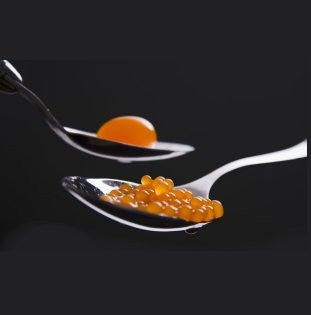
Three Methods of Spherification
SUBSCRIBE TO OUR BLOG
Promotions, new products, and recipes.
Spherification is the culinary art of encapsulating liquids into edible and decorative globes shaped like caviar eggs. There are three methods of accomplishing this depending on the calcium content of the liquid to be encapsulated. The most common is simply called, spherification, and then there is reverse spherification with the third and a more recent technique, known as frozen reverse spherification.
In the first method, basic spherification, flavored liquids such as fruit juices, which contain no calcium, are thoroughly mixed with a small quantity of powdered sodium alginate, and then dripped into a vessel filled with of calcium chloride and cold water, or other soluble calcium salt. The calcium solution causes the outer layer of each liquid sphere containing the alginate to form a thin, flexible skin.
Reverse spherification is the method used when a liquid to be spherified contains calcium, alcohol or is high in acid. In this case, the technique is reversed in that the liquid to be spherified is mixed, not with sodium alginate, but with calcium lactate or calcium lactate gluconate, then dropping it into a sodium alginate bath.
The third method, frozen reverse spherification, is identical to reverse spherification, except for the freezing step. This method saves preparation time by freezing the main ingredient in silicone molds shaped like spheres in advance. More importantly it doesn’t require the artistic finesse require in general reverse spherification; so that the results produced are always consistently sized, perfectly shaped spheres.


|
About the Author Ed is the founder of Cape Crystal Brands, editor of the Beginner’s Guide to Hydrocolloids, and a passionate advocate for making food science accessible to all. Discover premium ingredients, expert resources, and free formulation tools at capecrystalbrands.com/tools. — Ed |
Related Posts
Why Storytelling Matters in Food, Flavor, and the Modern Pantry

The Story Behind The Genuine Carroway Cookbook and Island Advice Journal
How Small Ingredient Choices Quietly Change Appetite, Digestion, and Satisfaction
Enjoyed this post? Subscribe to The Crystal Scoop
Food-science tips, ingredient know-how, and recipes. No spam—unsubscribe anytime.
- Choosing a selection results in a full page refresh.
POLICY PAGES
QUICK LINKS
ABOUT US
Cape Crystal Brands,
- 18 Bank St., Suite 1, Summit NJ 07901.
- Phone: +1 908-273-5600
- Email: info@capecrystalbrands.com
- Tax ID: 26-2477626000
- FDA Facility # 16980627550
- Kosher Certified by: OKosher.org
Country/region
© 2026, Cape Crystal Brands | Sitemap