
Trending searches
Trending searches

Gluten-Free Gastronomy: Emulsifier and Hydrocolloids Transforming Your Dishes
SUBSCRIBE TO OUR BLOG
Promotions, new products, and recipes.
The gluten-free diet has surged in acceptance in recent years. Chefs and food scientists continuously innovate to meet this trend, with emulsifiers and hydrocolloids playing pivotal roles in the transformation. In this article, discover how these ingredients elevate gluten-free dishes to sensory delights.
The Gluten-Free Revolution
Let's delve into the reasons behind the increasing popularity of the gluten-free movement and the role of emulsifiers and hydrocolloids.

A family enjoying the benefits of gluten-free meals.
The Rise of Gluten-Free Diets
From celiac disease sufferers to health enthusiasts, many are now choosing gluten-free foods. This shift has led to an increased demand for delicious and textured gluten-free meals.
Emulsifier: The Culinary Alchemists
What is an Emulsifier, and why is it crucial in gluten-free cooking?
Emulsifier in Gluten-Free Baking
Delving into the role of emulsifiers like xanthan gum and guar gum, we see their immense contributions to gluten-free baking.
Hydrocolloids: The Texture Wizards
Hydrocolloids have become synonymous with perfecting texture in gluten-free dishes.
Understanding Hydrocolloids
Learn about the versatility of hydrocolloids, from seaweed-derived agar-agar to familiar alternatives like potato and tapioca flour.
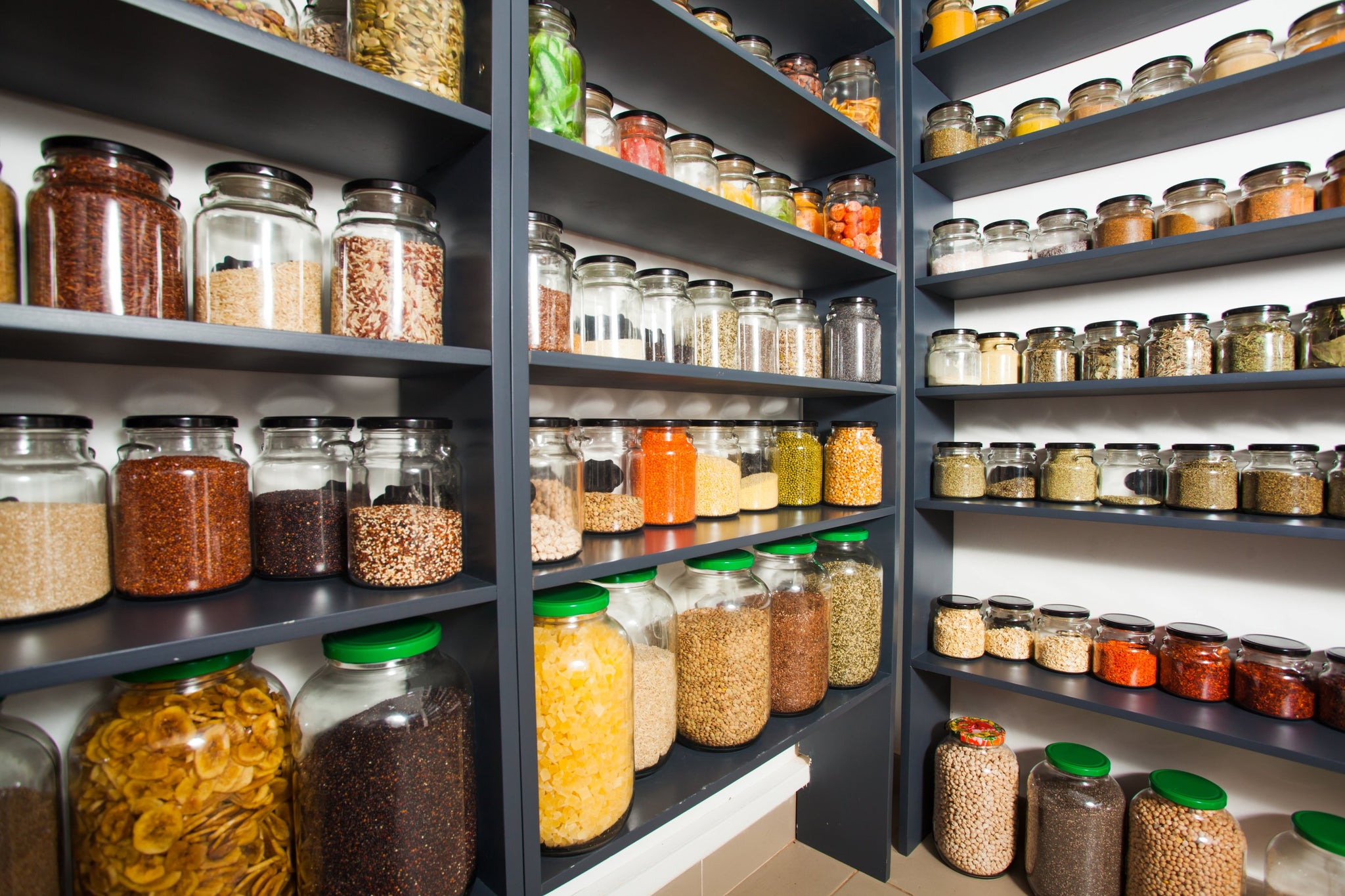
A pantry that includes different types of hydrocolloids used in gluten-free cooking.
Hydrocolloids in Gluten-Free Soups, Stews, and Desserts
A dive into how these agents transform traditionally gluten-heavy dishes into delightful gluten-free alternatives.
The Fusion of Emulsifier and Hydrocolloids
Discover how these ingredients work together to produce culinary magic, especially in gluten-free recipes.
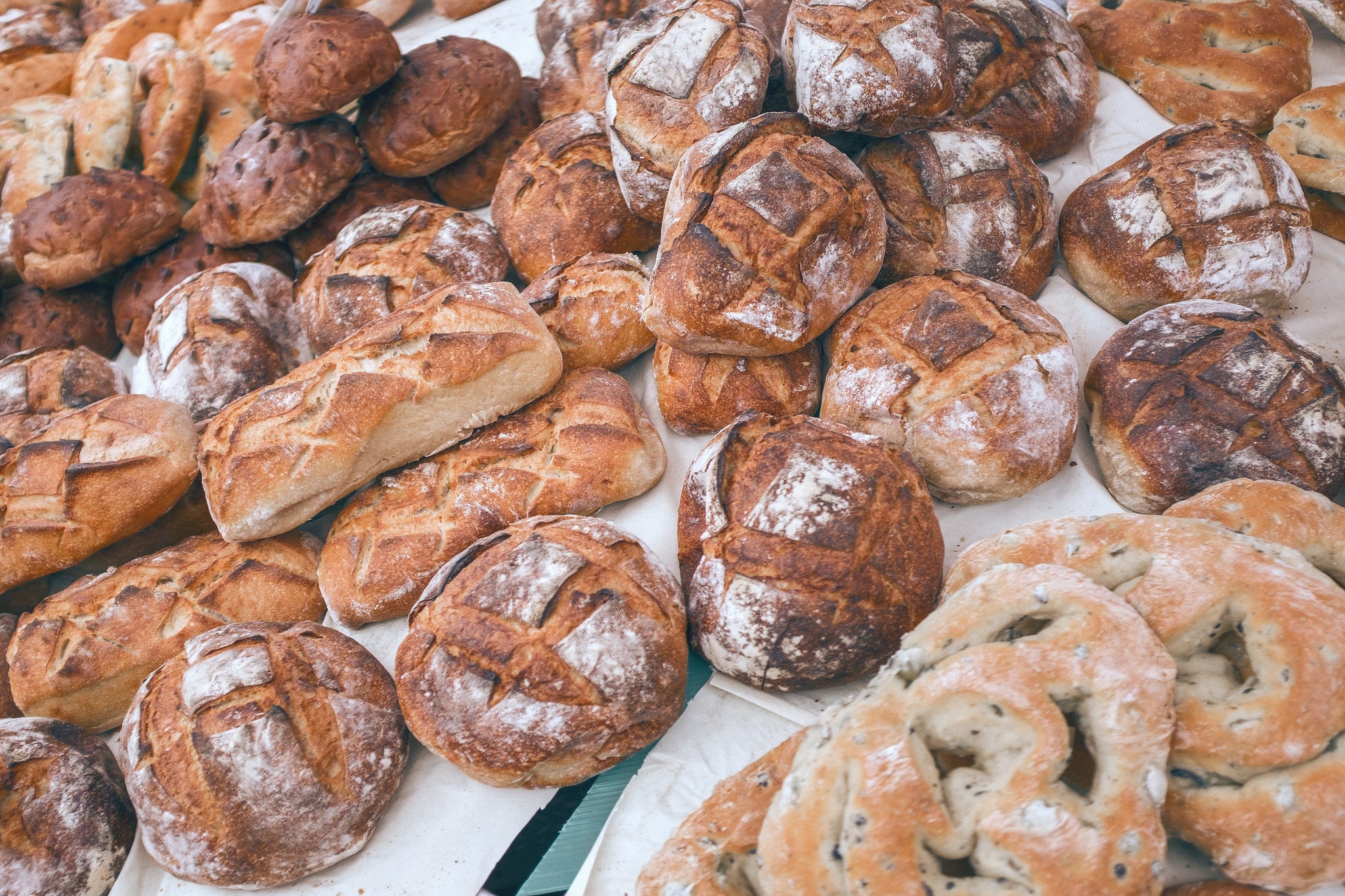
A diverse gluten-free bread loaves made perfect with the help of emulsifiers and hydrocolloids.
Beyond Gluten-Free: The Culinary Frontier
Healthier Choices, Vegan and Dairy-Free Alternatives
Understand how emulsifiers and hydrocolloids are pivotal in creating healthier, plant-based alternatives without compromising on taste and texture.
Challenges and Considerations
While these ingredients have numerous benefits, it's essential to be aware of certain challenges and considerations to utilize them optimally.
Embracing Culinary Innovation
The culinary world continues to evolve, and with the inclusion of emulsifiers and hydrocolloids, the possibilities seem limitless.
The Future of Gluten-Free Gastronomy
Reflect on the transformative journey of gluten-free gastronomy and anticipate the exciting future ahead.
Conclusion
Embrace the transformative power of Emulsifiers and hydrocolloids, and embark on an adventurous culinary journey.


|
About the Author Ed is the founder of Cape Crystal Brands, editor of the Beginner’s Guide to Hydrocolloids, and a passionate advocate for making food science accessible to all. Discover premium ingredients, expert resources, and free formulation tools at capecrystalbrands.com/tools. — Ed |
Related Posts

Hydrocolloids Explained: Food Gums, Gels and Texture

How Many Grams Are in a Teaspoon? Powder Conversion Guide for 30+ Ingredients

How Modern Food Lost Its Natural Stop Signals
Enjoyed this post? Subscribe to The Crystal Scoop
Food-science tips, ingredient know-how, and recipes. No spam—unsubscribe anytime.
- Choosing a selection results in a full page refresh.
POLICY PAGES
QUICK LINKS
ABOUT US
Cape Crystal Brands,
- 18 Bank St., Suite 1, Summit NJ 07901.
- Phone: +1 908-273-5600
- Email: info@capecrystalbrands.com
- Tax ID: 26-2477626000
- FDA Facility # 16980627550
- Kosher Certified by: OKosher.org
Country/region
© 2026, Cape Crystal Brands | Sitemap