
Trending searches
Trending searches
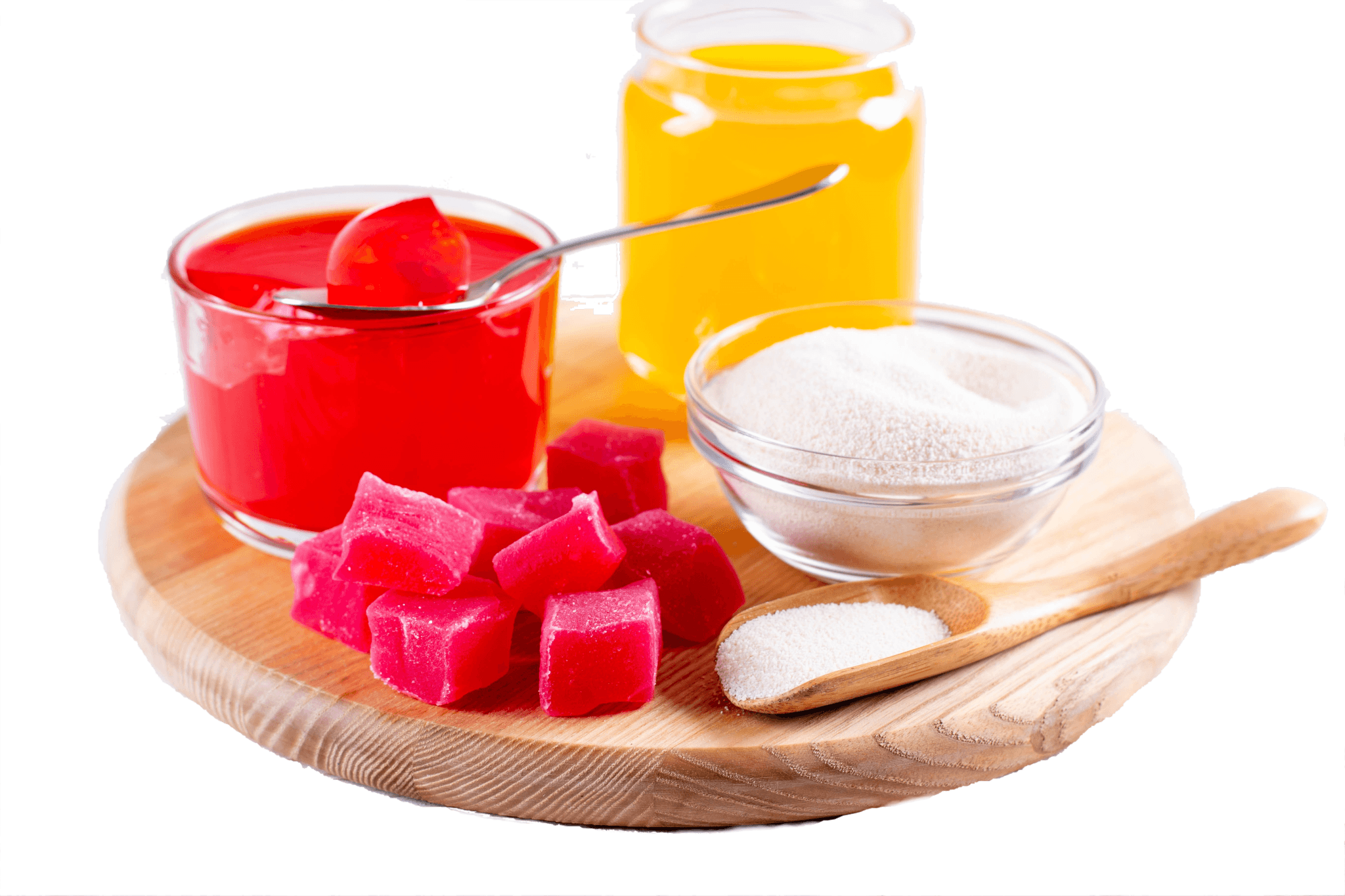
Brief Origins of Agar Agar a Food Gum and Stabilizer
SUBSCRIBE TO OUR BLOG
Promotions, new products, and recipes.
Agar-agar is a Malaysian name with a Japanese origin. Chinese settlers in the east Indies introduced the use of Japanese agar as a food to the locals. To make the product more inviting to the population they called it “agaragar” which is a name used by the Malayans to indicate certain seaweeds and the jellies that were made from them.
In Japan, agar agar is known as kanten, meaning “cold sky.” This name refers to the fact that the seaweed used was prepared on cold winter days or high up in the mountains where it was always cold.
The Dutch and other Europeans living in Indonesia later learned to use this Japanese ingredient for making delicious fruit and vegetable jellies while introducing the art of jelly making to their friends and relatives in Europe.
In Japan, the agar-bearing seaweeds are gathered from rocks between mid- and low-tide marks. Divers also collect the seaweed.


|
About the Author Ed is the founder of Cape Crystal Brands, editor of the Beginner’s Guide to Hydrocolloids, and a passionate advocate for making food science accessible to all. Discover premium ingredients, expert resources, and free formulation tools at capecrystalbrands.com/tools. — Ed |
Related Posts
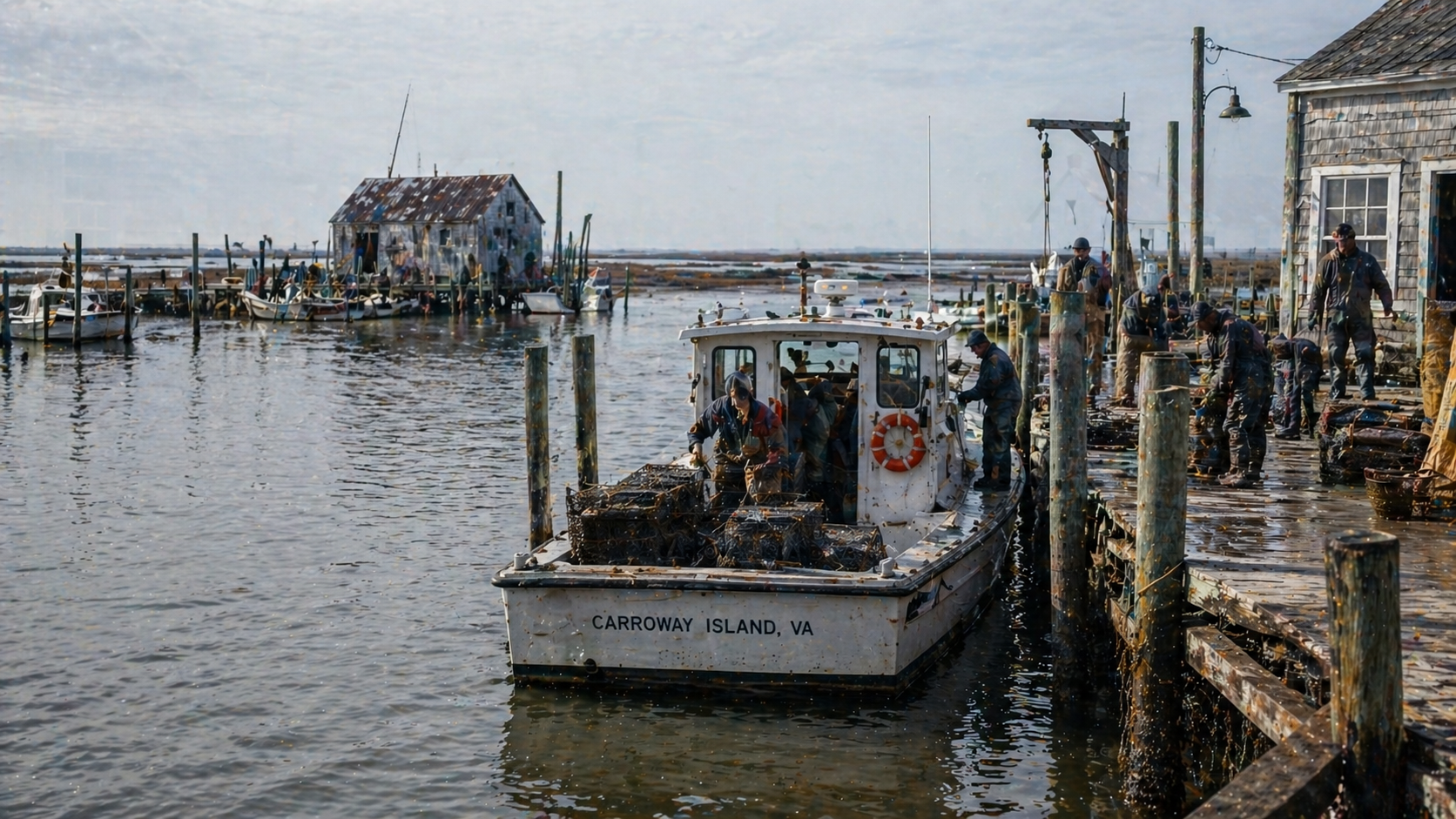
The Story Behind The Genuine Carroway Cookbook and Island Advice Journal
How Small Ingredient Choices Quietly Change Appetite, Digestion, and Satisfaction
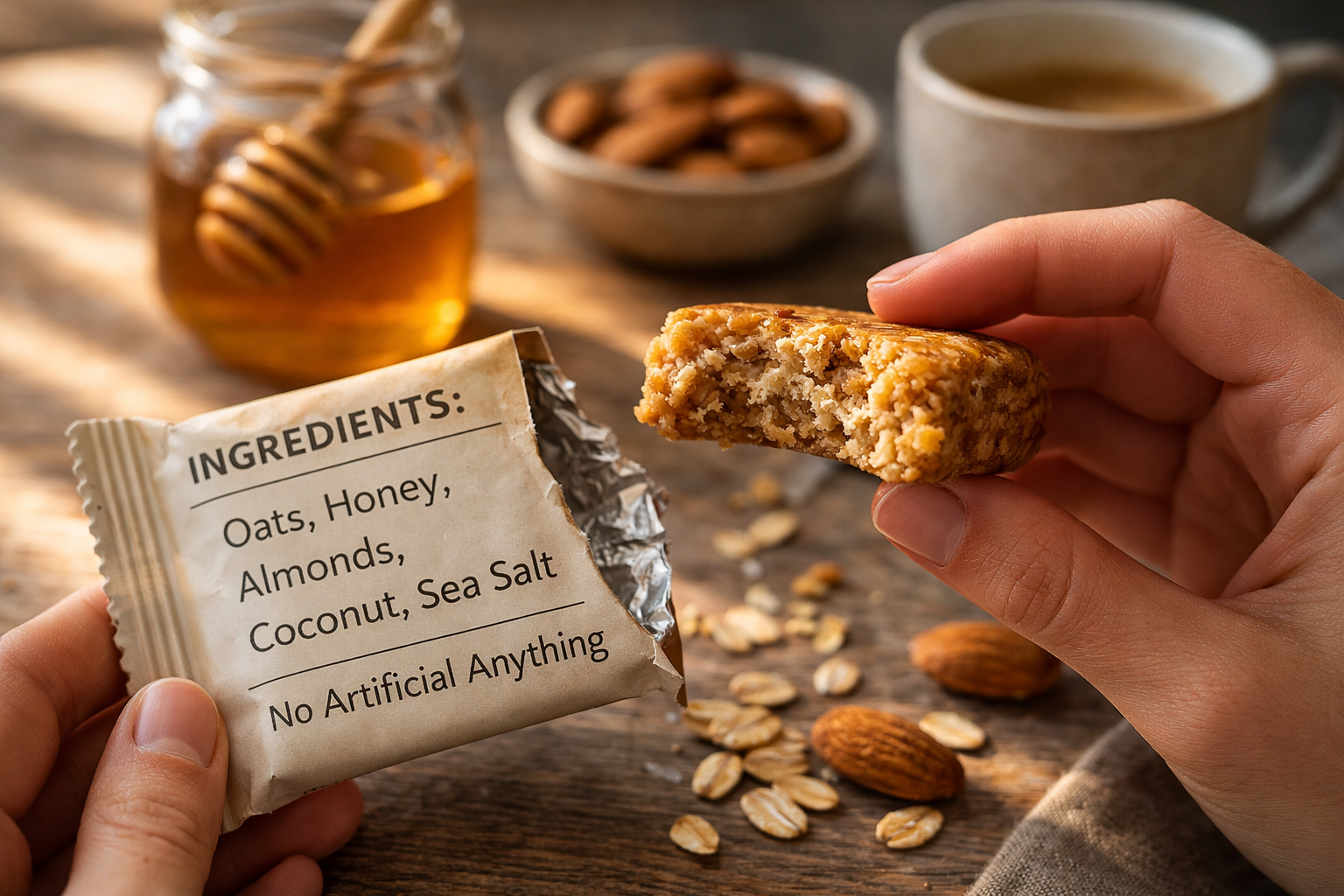
When Clean Labels Still Produce Unsettling Food
Enjoyed this post? Subscribe to The Crystal Scoop
Food-science tips, ingredient know-how, and recipes. No spam—unsubscribe anytime.
- Choosing a selection results in a full page refresh.
POLICY PAGES
QUICK LINKS
ABOUT US
Cape Crystal Brands,
- 18 Bank St., Suite 1, Summit NJ 07901.
- Phone: +1 908-273-5600
- Email: info@capecrystalbrands.com
- Tax ID: 26-2477626000
- FDA Facility # 16980627550
- Kosher Certified by: OKosher.org
Country/region
© 2026, Cape Crystal Brands | Sitemap